
If you want to know where obesity is headed in the near term, pay attention to one word: amylin.
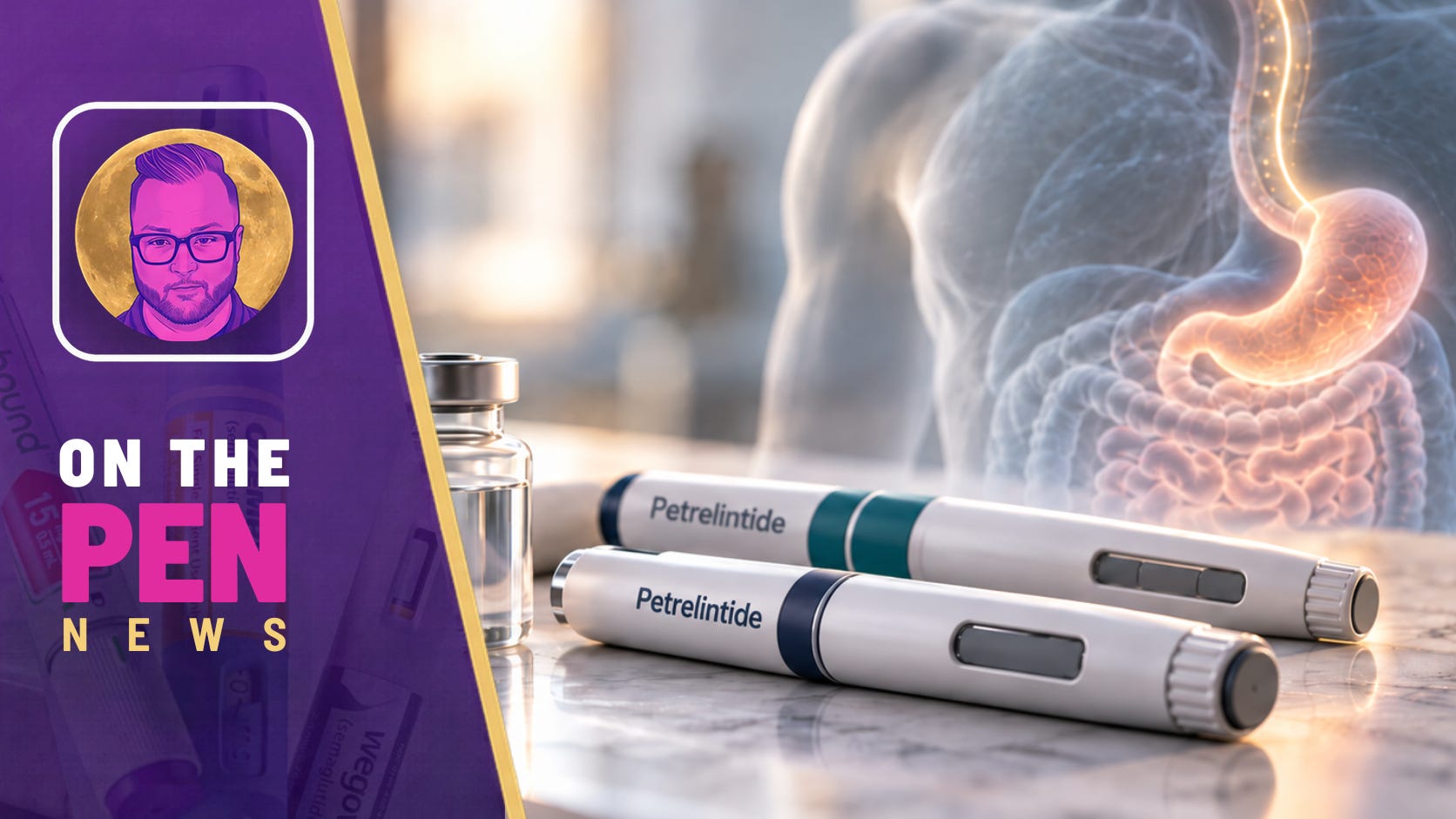
We have been following Zealand Pharma’s petrelintide for years, so the drug itself is not the story today. What is changing is the conversation around it, because amylin is rapidly moving from an interesting alternative mechanism to one of the most important pieces of the next generation of obesity and diabetes treatment.
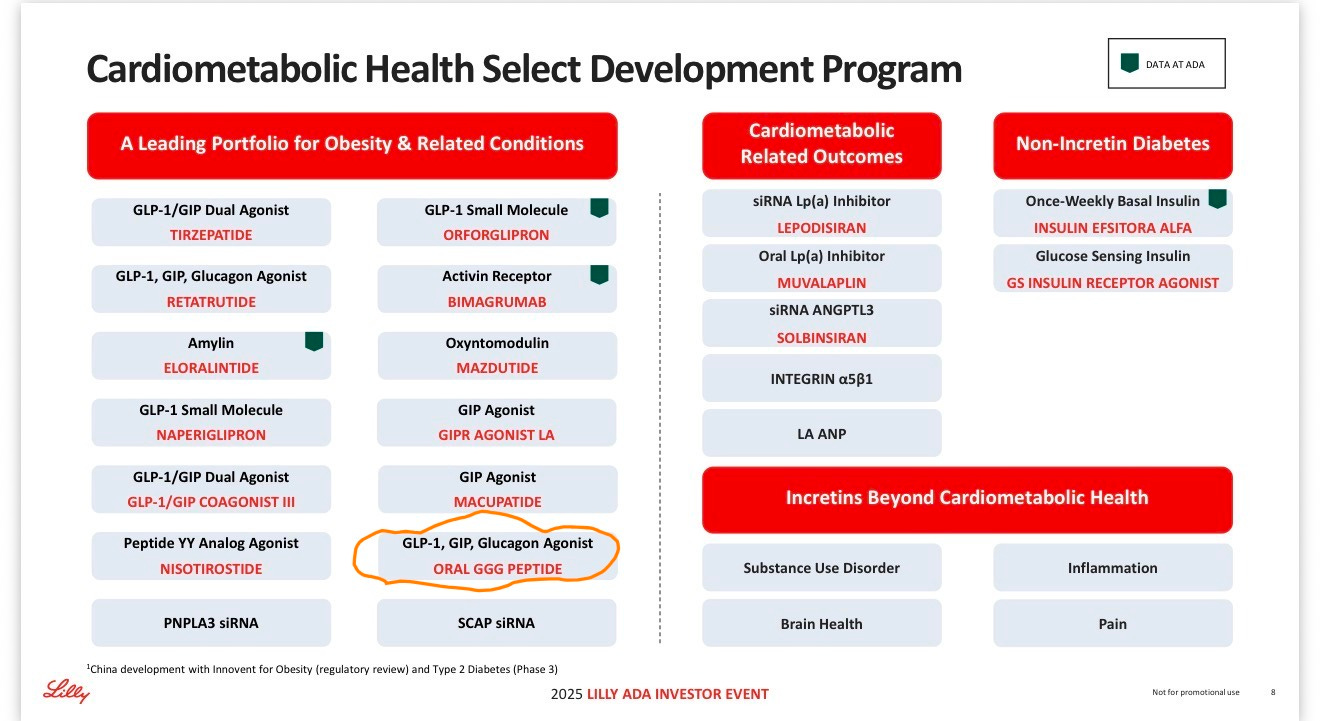
Just last week, LILLY showed that combining its amylin agonist eloralintide with tirzepatide produced weight loss of up to 23.3% in people with obesity and type 2 diabetes, compared with 14.8% on tirzepatide 15 mg alone. In the non-diabetic study, patients on the highest dose of EloraTZP hit 30% weight loss!
Now Zealand has added another important piece of evidence to the conversation.
Petrelintide keeps building its case
In the Phase 2 ZUPREME-2 trial, 220 people with overweight or obesity and type 2 diabetes received Zealand’s once-weekly amylin analog petrelintide or placebo for 28 weeks.
Petrelintide produced up to 9.2% mean weight loss, compared with 2% for placebo, while also lowering HbA1c by as much as 0.65% versus a 0.23% increase in the placebo group.
The weight-loss number by itself is not going to challenge drugs like Zepbound. But that misses what has made petrelintide so interesting since we first started following it.
Its tolerability looks to be what continues to stand out. Only 1.9% of patients discontinued because of gastrointestinal side effects, nearly identical to the 1.7% rate on placebo. Zealand reported that most gastrointestinal events were mild and occurred during dose escalation.
This is important because the future doesn’t necessarily require amylin drugs to beat GLP-1 therapies by themselves (though Lilly’s eloralintide looks like it might). Their real value will likely come from what happens when they are combined with existing therapies.
Everyone is suddenly chasing amylin
This is where the obesity drug race becomes much more interesting.
Lilly’s new EloraTZP data showed exactly why the pharmaceutical industry is so interested in amylin. Adding eloralintide to tirzepatide pushed average weight loss to 23.3%, almost nine percentage points beyond tirzepatide 15 mg alone in the Phase 2 study.
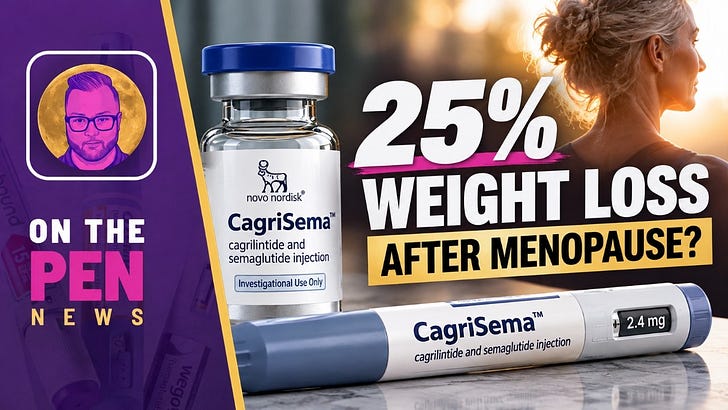
Novo has been pursuing the same biological idea with CagriSema, combining the amylin analog cagrilintide with semaglutide. This combo therapy will likely hit pharmacy shelves in early 2027.
There is also a third serious contender. Zealand and Roche are developing petrelintide alongside enicepatide, Roche’s dual GLP-1/GIP agonist formerly known as CT-388. Roche recently reported that enicepatide alone produced 15.5% mean weight loss and a 2.65-point reduction in HbA1c at its highest dose in people with type 2 diabetes.
More importantly, Roche and Zealand are developing a fixed-dose petrelintide/enicepatide combination, specifically targeting people who may need more weight loss or better glycemic control than amylin monotherapy can provide.
That means we now have three major obesity programs converging on essentially the same idea: pair incretin biology with amylin rather than simply continuing to push GLP-1 doses higher.
The obesity drug race is no longer just Lilly versus Novo. Roche and Zealand are building a legitimate third amylin-incretin franchise, and the timing could hardly be better.
Patient Takeaways
The important number from ZUPREME-2 is not simply 9.2%.
The bigger story is that petrelintide continues to demonstrate meaningful weight loss and glucose improvement with what appears to be a very favorable tolerability profile, exactly the kind of profile that could make an amylin drug valuable alongside a more powerful incretin therapy.
We are watching the next generation obesity medicine move toward combination treatment. Instead of asking one drug or one receptor pathway to do everything, future treatment may involve combining GLP-1, GIP, amylin, glucagon and potentially other metabolic signals depending on what an individual patient needs.
Lilly’s recent eloralintide data made that future feel much closer. Zealand’s petrelintide results reinforce that this is not a one-company experiment.
Amylin may be becoming the next major pillar of obesity medicine, and the race to own that future is getting crowded very quickly. Let me know in the comments if you are interested in hearing about other future amylin combos, like Viking Therapeutics VK3019 paired with VK2735! Don’t forget the drop a heart on Substack if you enjoyed the article!