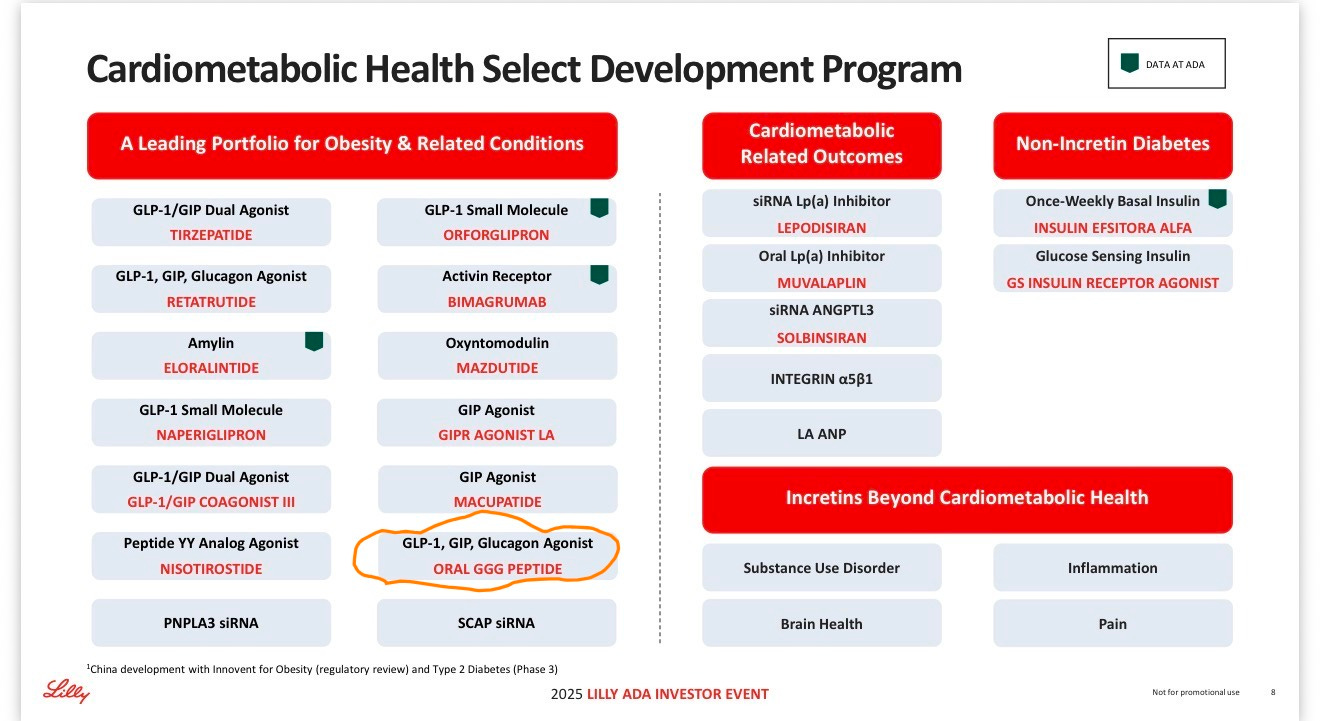

If you have followed On The Pen for any length of time, you have heard us talk about the cardiovascular benefits of GLP-1 drugs again and again. Wegovy has shown a reduction in major cardiovascular events, the broader GLP-1 class continues to produce cardiovascular signals, and just recently at EASD 2026, Lilly added encouraging heart data for Foundayo, its oral GLP-1 orforglipron.
The cardiovascular story has become one of the strongest arguments that these medicines should not be viewed simply as weight-loss drugs. But a new study involving more than 333,000 adults with type 2 diabetes forces us to consider the other side of that story: if cardiovascular protection is one of the reasons we value GLP-1 treatment, what happens when that treatment stops?
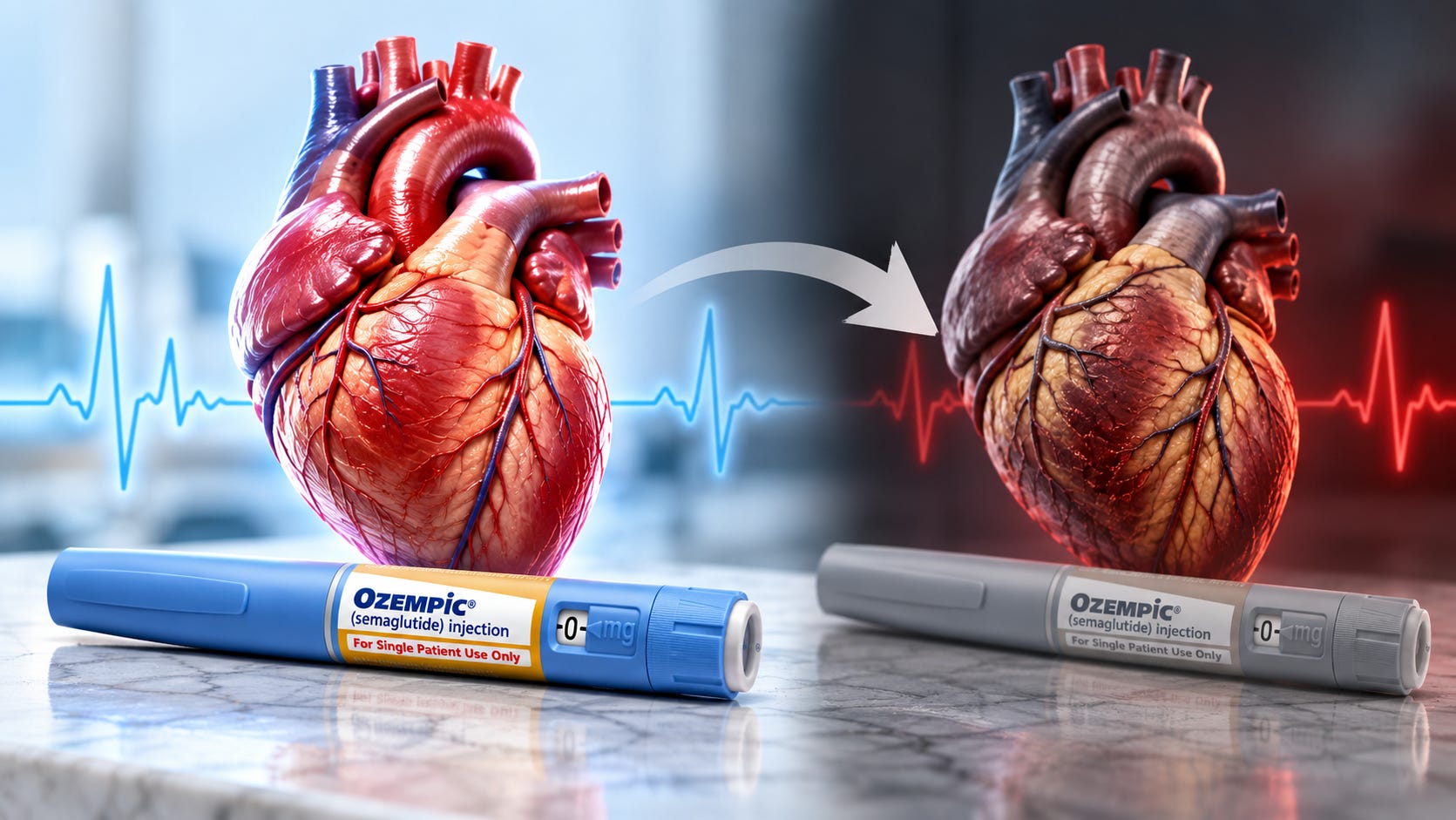
The answer may matter far beyond weight regain. Compared with people who remained continuously treated, patients who discontinued a GLP-1 had progressively higher risks of heart attack, stroke, or death, reaching 22% higher after two years off treatment.
The Other Side of Cardiovascular Protection
Researchers led by Ziyad Al-Aly at Washington University School of Medicine and the VA Saint Louis Health Care System followed adults with type 2 diabetes who started either a GLP-1 receptor agonist or a sulfonylurea. Patients who remained on GLP-1 treatment for three years had an 18% lower risk of heart attack, stroke, or death than the sulfonylurea group, amounting to roughly four fewer major cardiovascular events for every 100 people treated.
None of that should be particularly surprising to regular readers here, because cardiovascular protection has increasingly become part of the GLP-1 story. At EASD 2026, for example, Lilly reported a 23% lower rate of cardiovascular death, heart attack, or stroke with Foundayo versus insulin glargine in ACHIEVE-4, although the confidence interval crossed 1 and the study did not establish cardiovascular superiority.
What is new here is what happened after treatment stopped. Compared with continuous GLP-1 treatment, cardiovascular risk was about 4% higher after six months off therapy, 14% higher after one year, and 22% higher after two years.
That flips the cardiovascular conversation around. If we are going to celebrate reductions in cardiovascular risk while patients are taking these medicines, we also have to take seriously the possibility that some of that benefit may erode when treatment disappears.
Treatment Interruptions May Matter More Than We Thought
The researchers also examined people who stopped GLP-1 therapy and later restarted, an especially relevant group given how these drugs are actually used. Insurance denials, shortages, affordability problems, side effects, and changes in coverage routinely push patients off treatment for weeks or months at a time.
Restarting did not completely close the gap. A one-year interruption was associated with roughly 12% higher cardiovascular risk than continuous treatment, while a two-year interruption was associated with about 16% higher risk.
That should make us rethink the way we talk about access. When an insurer forces someone off a GLP-1 for several months, the consequence may not simply be that the patient regains ten pounds before finally getting their prescription back.
The physiology these drugs improve does not necessarily stand still while the prescription is gone. Weight, blood pressure, glucose, cholesterol, and inflammatory markers can all worsen after discontinuation, and all of those factors matter to cardiovascular disease.
There is an important limitation here, because this was an observational study rather than a randomized trial. It cannot prove that stopping the drug itself caused the additional cardiovascular events, and patients who discontinue treatment may differ from those who remain on therapy in ways researchers cannot completely measure.
Still, it is difficult to spend years pointing to the cardiovascular benefit of sustained GLP-1 treatment and then dismiss what happens when that sustained treatment is removed. At minimum, these findings make continuity of care a much more important part of the cardiovascular discussion.
Patient Takeaways
This study does not mean that missing a dose or taking a short medically necessary break suddenly puts someone at risk of having a heart attack. The differences researchers observed developed over months and years, and the study population consisted of people with type 2 diabetes who were predominantly older men receiving care through the VA system.
It also does not mean everyone who starts a GLP-1 must remain on one forever. There are legitimate reasons to stop or change treatment, and this study cannot tell us exactly what happens to every person taking these medicines for obesity without diabetes.
What it does tell us is that cardiovascular protection should be part of the conversation when patients and clinicians discuss discontinuation. We have become very comfortable asking whether the weight will return after someone stops a GLP-1, but that may be only one part of what is being lost.
The access implications may be even bigger. If sustained GLP-1 therapy is reducing cardiovascular risk, then an insurance denial, affordability problem, or prolonged coverage gap is no longer just an inconvenience in someone’s weight-loss journey.
We talk all the time about what GLP-1 drugs may be protecting while patients are on them. This study suggests we also need to start paying much closer attention to what patients may be giving back when treatment is taken away.